Poison Oak Removal in Philadelphia, PA
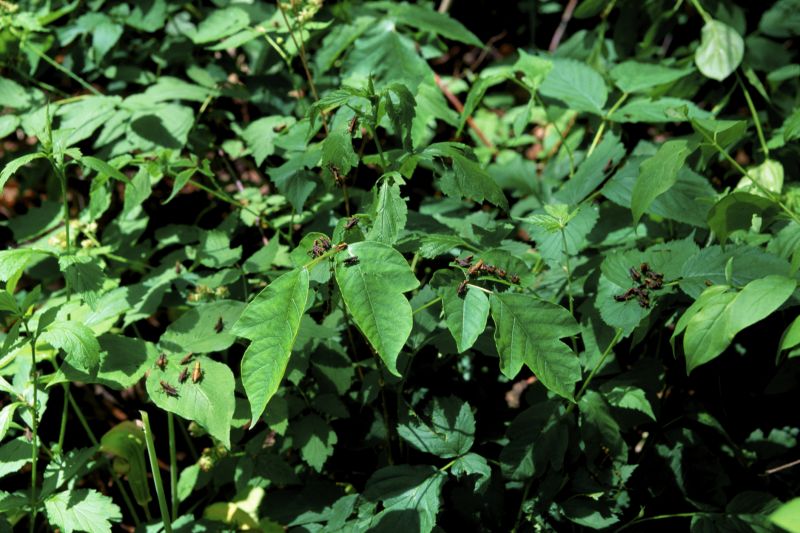
Poison oak removal services focus on safely eliminating this common, problematic plant from residential properties. These services are often requested for projects involving overgrown yards, landscaped areas, trails, or outdoor recreational spaces where poison oak poses a health risk to residents and visitors. Property owners typically seek professional assistance to ensure thorough removal, especially in cases where the plant has spread extensively or is difficult to identify and eradicate without proper equipment and expertise.
Before requesting poison oak removal, property owners should understand the extent of the infestation and whether the plant is in areas accessible for safe removal. It is also helpful to know if the poison oak is growing near other landscape features, structures, or desirable plants that require protection during the process. Clarifying these details can help determine the most appropriate approach and ensure the removal is effective and safe for everyone using the outdoor space.
Many property owners in Philadelphia, PA look into Poison Oak Removal for repairs, replacements, upgrades, and appearance-related improvements.
Understanding Poison Oak Risks
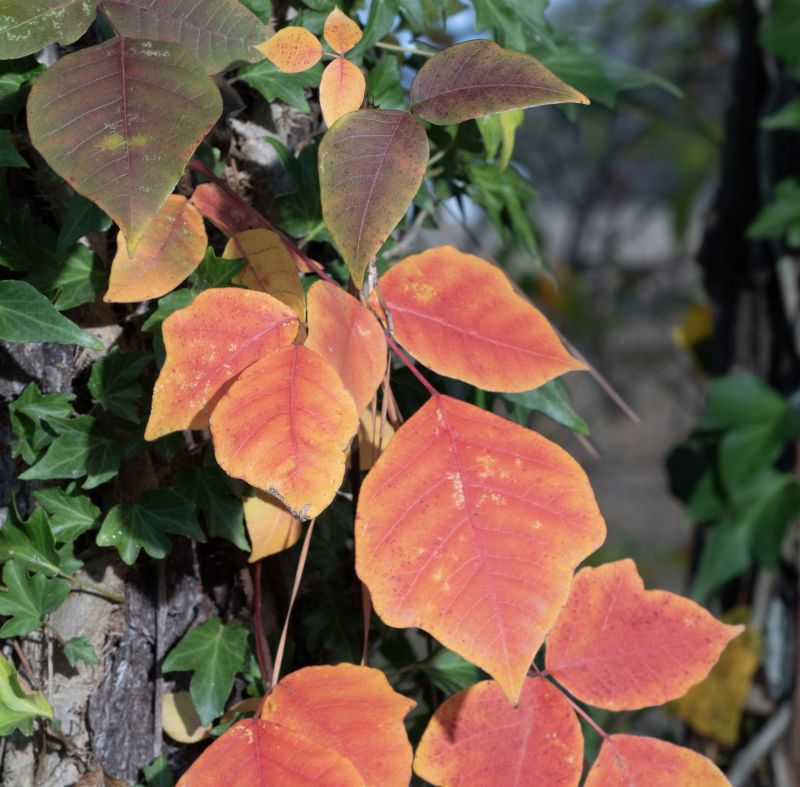
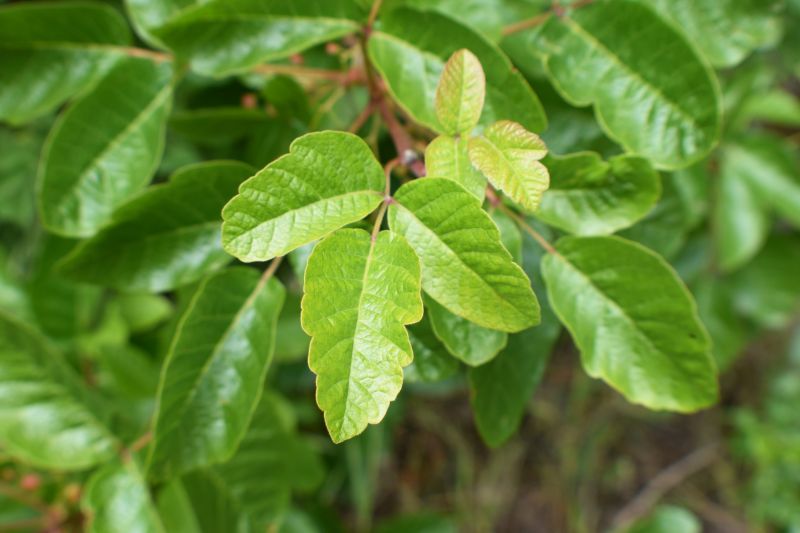
Identifying poison oak on residential and commercial properties in philadelphia helps prevent skin irritation and allergic reactions.
Effective Removal Techniques
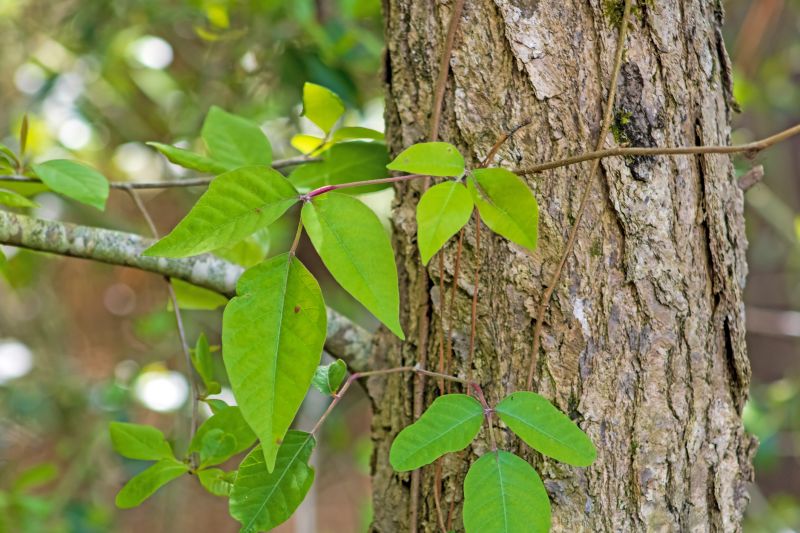
Proper removal methods ensure safe clearing of poison oak to protect families, pets, and landscape health.
Property Maintenance Tips
Regular inspection and maintenance reduce the chances of poison oak spreading across yards and outdoor spaces in philadelphia neighborhoods.
Poison Oak Removal in Philadelphia, PA

Poison oak removal services focus on safely eliminating this common, problematic plant from residential properties. These services are often requested for projects involving overgrown yards, landscaped areas, trails, or outdoor recreational spaces where poison oak poses a health risk to residents and visitors. Property owners typically seek professional assistance to ensure thorough removal, especially in cases where the plant has spread extensively or is difficult to identify and eradicate without proper equipment and expertise.
Before requesting poison oak removal, property owners should understand the extent of the infestation and whether the plant is in areas accessible for safe removal. It is also helpful to know if the poison oak is growing near other landscape features, structures, or desirable plants that require protection during the process. Clarifying these details can help determine the most appropriate approach and ensure the removal is effective and safe for everyone using the outdoor space.
Many property owners in Philadelphia, PA look into Poison Oak Removal for repairs, replacements, upgrades, and appearance-related improvements.
Common Poison Oak Removal Jobs
Poison Oak Removal - safe removal of poison oak plants from residential properties.
Landscape Clearing - clearing overgrown areas to eliminate poison oak and other hazards.
Yard Maintenance - regular trimming to prevent poison oak from spreading.
Property Cleanup - removal of poison oak debris to reduce exposure risks.
Vegetation Management - strategic removal of invasive plants including poison oak.
Hazard Prevention - reducing the risk of skin irritation and allergic reactions.
Poison Oak Removal Questions
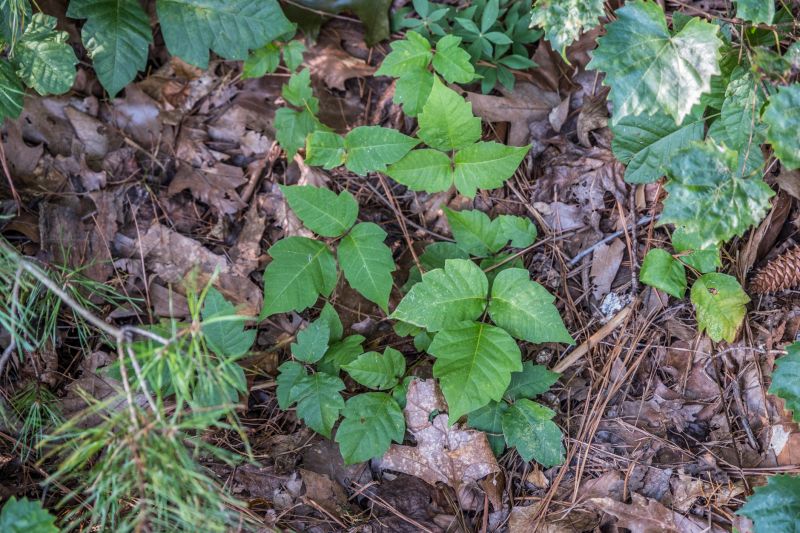
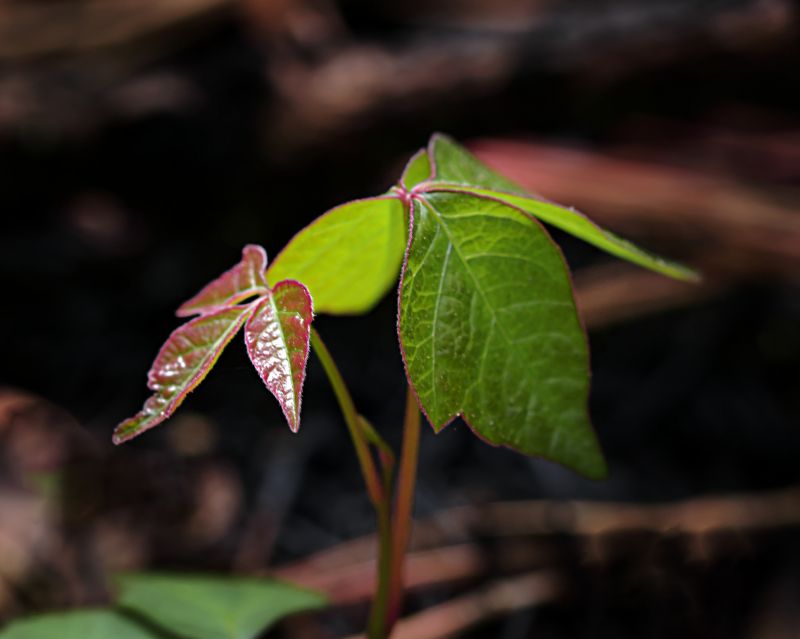
What is poison oak removal? Poison oak removal involves safely eliminating the plant from outdoor areas to prevent skin irritation and allergic reactions.
When should poison oak be removed? Removal is recommended when poison oak is found in high-traffic areas or where children and pets play.
How is poison oak removed? The process typically includes careful cutting, digging out the plants, and proper disposal to prevent regrowth.
Why hire a professional for poison oak removal? Professionals ensure safe removal, proper disposal, and reduce the risk of skin contact or plant spread.
Request Poison Oak Removal in Philadelphia, PA
Use the quote form on this page to share the basics of your project and request more information for the type of work you need.